
A Guide to Cavity Fillings in Renton: How Long Does It Take?
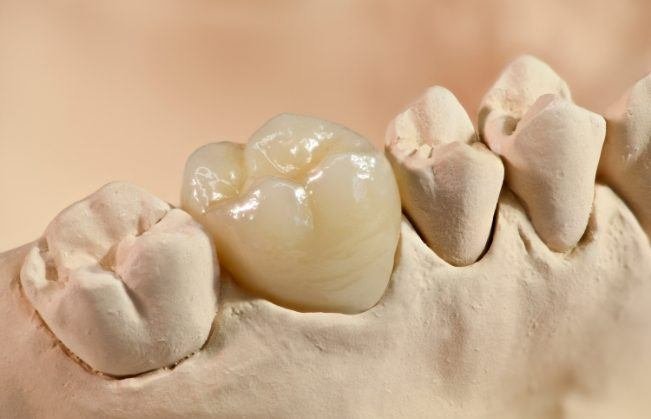
Finding out you have a cavity can bring up a lot of questions, and one of the most common is simple: how long does a filling take? If you have a visit coming up at a dental office in Renton, WA, or you are trying to decide when to schedule one, understanding the process can help you plan your day and feel more prepared. This guide walks through what happens during Cavity Fillings in Renton, how long the appointment typically takes, and what factors can make a visit shorter or longer.
At Complete Dental Care of Renton, patients often ask how long it takes to fill a cavity before they book their visit. The honest answer is that it depends on a few factors, which we will break down in detail below.
What Is a Cavity Filling?
A cavity forms when tooth decay breaks down the outer layer of a tooth, creating a small hole or area of damage. A filling is a treatment used to restore the tooth by removing the decayed portion and replacing it with a durable material. This procedure is one of the most routine treatments performed at any Renton dental clinic, and it is generally straightforward for patients with good oral health otherwise.
The materials used for fillings can vary. Composite resin, a tooth-colored material, is one of the most widely used options because it blends in with the natural tooth. Other materials include amalgam, glass ionomer, and in some cases, ceramic. The type of material chosen can affect how long filling a cavity takes, since some materials require additional curing steps.
How Long Does a Filling Take?
For most patients, a single cavity filling takes between twenty and forty five minutes from start to finish. This includes the time needed for numbing the area, removing the decay, placing the filling material, and shaping and polishing the restoration so it fits comfortably with your bite.
Several factors influence how long a cavity filling takes:
Size and Location of the Cavity
A small cavity on the surface of a tooth is quicker to treat than a larger cavity that has spread closer to the nerve. Cavities located between teeth or on back molars can also take a bit longer to access and treat properly.
Number of Cavities Being Treated
If you have more than one cavity, your dentist may treat them in the same visit or schedule separate appointments depending on their location and complexity. Treating multiple cavities in one visit naturally extends the total appointment time, though it often takes less time overall than scheduling multiple separate visits.
Type of Filling Material
Composite fillings are applied in layers and require a curing light to harden each layer, which adds a few extra minutes compared to some other materials. However, composite is often preferred because of its appearance and ability to bond closely with the tooth structure.
Patient Comfort and Anesthesia
Time is also needed for the local anesthetic to take full effect before your dentist begins working. This step is important for a comfortable experience and is a standard part of the process at any dental clinic in Renton.
Step by Step: What Happens During a Filling Appointment
Understanding the general flow of a filling appointment can help ease any uncertainty about the visit.
- Examination and diagnosis. Your dentist reviews the affected tooth, sometimes with the help of an X-ray, to determine the extent of the decay.
- Numbing the area. A local anesthetic is applied so the treatment area is comfortable throughout the procedure.
- Removing the decay. Using a dental drill or other tools, your dentist carefully removes the decayed portion of the tooth.
- Cleaning the area. The space is cleaned to remove any bacteria or debris before the filling material is placed.
- Placing the filling. The chosen material is applied and shaped to match the natural contour of the tooth.
- Curing and finishing. For composite fillings, a curing light hardens the material. The filling is then polished and checked against your bite.
Each of these steps contributes to the overall time it takes to fill a cavity, and a skilled dental team will move through them efficiently while still prioritizing precision and comfort.
Filling Time by Type: A Quick Comparison
The table below offers a general overview of how filling type and cavity size can affect appointment length. These are typical ranges, and actual time may vary based on individual circumstances.
| Filling Type | Small Cavity | Moderate Cavity | Larger Cavity |
|---|---|---|---|
| Composite (tooth colored) | 20 to 30 minutes | 30 to 40 minutes | 40 to 60 minutes |
| Amalgam (silver) | 15 to 25 minutes | 25 to 35 minutes | 35 to 50 minutes |
| Glass Ionomer | 15 to 25 minutes | 25 to 35 minutes | 35 to 45 minutes |
| Ceramic (inlay/onlay) | Often requires two visits due to lab fabrication |
As shown above, most routine fillings are completed well within an hour, and many are finished in less than thirty minutes.
Does Filling a Cavity Hurt?
One of the reasons people ask how long does filling a cavity take is because they want to know what to expect in terms of comfort. With local anesthesia, most patients feel little to no pain during the procedure itself. Some mild sensitivity to temperature or pressure may occur for a day or two afterward, which is a normal part of healing.
Why the Length of Your Appointment Matters
Knowing roughly how long a cavity filling will take allows you to plan your schedule, whether you are stepping away from work, arranging childcare, or simply want to know what to expect before sitting in the chair. A dental office in Renton WA that communicates clearly about appointment length helps reduce anxiety and makes the overall experience smoother for patients of all ages.
Caring for Your Tooth After a Filling
After your filling is complete, there are a few simple steps that support long term results.
- Avoid chewing on the treated side until the numbness wears off to prevent accidentally biting your cheek or tongue.
- If you received a composite filling, you can typically eat normally once the numbness fades, since the material hardens immediately under the curing light.
- Maintain regular brushing and flossing to help prevent new cavities from forming.
- Schedule routine checkups so that any new areas of concern can be caught early, often before a filling is even needed.
Preventing Future Cavities
While fillings are effective at restoring a damaged tooth, prevention remains the best approach to long term oral health. Regular checkups at a trusted Renton dental clinic allow your dental team to catch early signs of decay before they progress. Daily brushing with fluoride toothpaste, flossing, limiting sugary snacks and drinks, and drinking water throughout the day all contribute to fewer cavities over time.
Choosing a Dental Office in Renton WA
When selecting a dentist in Renton for a filling or any other dental need, consider factors such as the clinic’s approach to patient comfort, the range of services offered, and how clearly the team communicates during your visit. Complete Dental Care of Renton focuses on thorough exams, clear explanations of treatment options, and efficient, comfortable appointments so patients know what to expect from start to finish.
If it has been a while since your last checkup, or if you suspect you may have a cavity, scheduling a visit sooner rather than later can help keep treatment simple and appointment times shorter. You can learn more about the services offered at Complete Dental Care of Renton.
Schedule Your Visit
If you think you may need a filling or simply want a routine checkup, the team at Complete Dental Care of Renton is ready to help. Understanding how long a filling takes is just one part of feeling prepared for your visit, and our team is happy to answer any additional questions you may have before your appointment.
Request Appointment with Complete Dental Care of Renton today and take the next step toward a healthier smile.
Frequently Asked Questions
1. How long does a filling take?
Most fillings take between twenty and forty five minutes, depending on the size of the cavity, the material used, and whether more than one tooth is being treated.
2. How long does it take to fill a cavity if I have more than one?
Treating multiple cavities in a single visit will extend the appointment, often by fifteen to thirty minutes per additional tooth, though your dentist can advise on the best approach for your specific situation.
3. How long does filling a cavity take for a child?
Appointment times for children are generally similar to adults for comparable cavity sizes, though some visits may be adjusted for comfort and cooperation.
4. How long does a cavity filling take to fully set?
Composite fillings harden immediately under a curing light during the appointment. Some sensitivity may last a day or two, but the filling itself is fully set before you leave the office.
5. Will I need time off work for a filling?
Most patients can return to work or normal activities right after their appointment, though it is common to wait until numbness fades before eating.
6. How do I know if I need a filling?
Signs of a cavity can include tooth sensitivity, visible dark spots, or discomfort while chewing. A checkup at a dental clinic in Renton can confirm whether a filling is needed.